

The Festival provides an opportunity to engage with Chinese languages and culture.
Provided below are links to in-person and online events and classroom activities in the Festival programme, where Chinese is the main feature or can be your focus of participation. There are also language competitions and nationwide and international celebrations of home languages and languages being learned.
You can also find resources and support for Chinese language learning and teaching.
Chinese-specific events and activities in the Festival programme
Asian Creative Journeys: Indian & Chinese cultural workshops Flexible bookings Feb-March

For North East schools KS2-5: South Asian and Chinese arts and culture workshops delivered in school by GemArts artists, including festivals, dance, visual arts, traditional arts and crafts.
Welcome to China events (3-18 yrs) 9.30-11.30am on 10th, 11th, 12th, 17th, 18th and 19th March

For North East schools (5-18 yrs): Join in a Mandarin taster session and cultural workshops Choose from Tai Chi, Kungfu, calligraphy, printmaking, Chinese Tea Ceremony, lacquer fan, lantern making, paper cutting.
Culture Box Asia: Indian and Chinese cultural activities 6 Jan-31 March
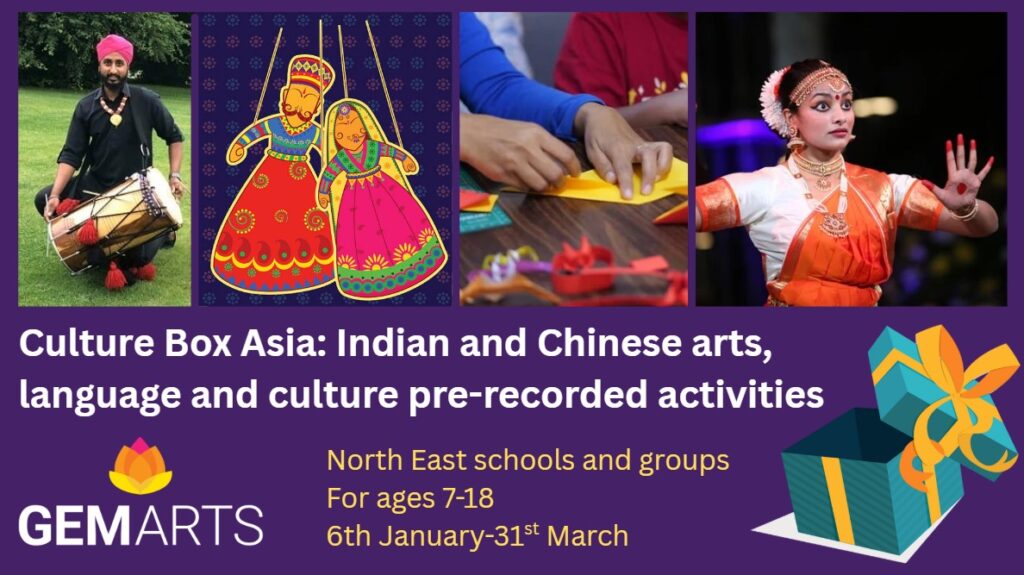
For 7-18 year-olds in NE schools, community schools/groups. 4 fun, interactive pre-recorded workshops exploring and celebrating Indian and Chinese arts, language and culture (drumming, dance, puppetry and origami).
Chinese Documentary Film Screening (14-18yrs) 10am-2.30pm on 25th March
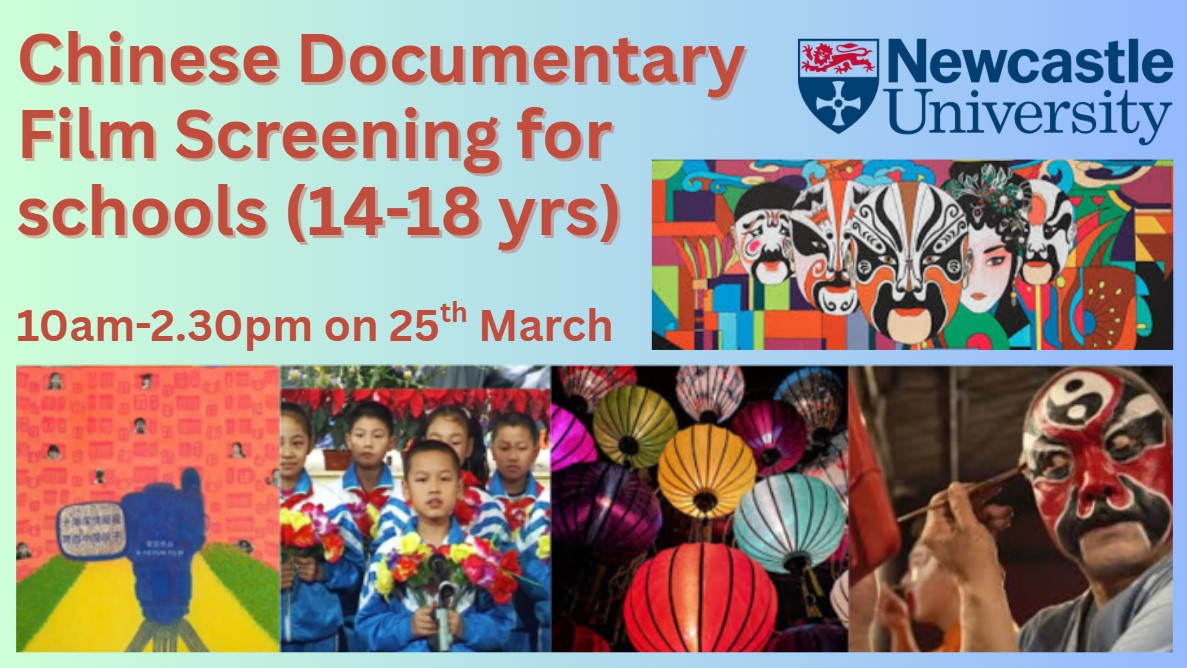
For NE schools (KS4-5): Screening of 3 Chinese documentaries, offering insights into Chinese society, education and social inequality and documentary filmmaking. With Q&A.
Multilingual digital stories -5 films made by children Available 6 Jan-31 March
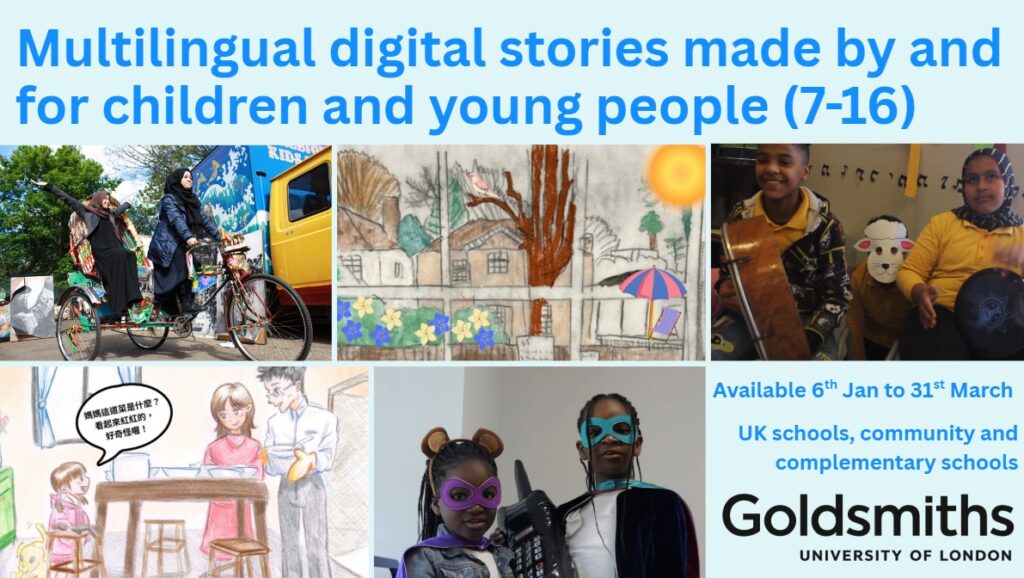
For UK primary, secondary, community schools & groups: Share short multilingual digital stories created by children and young people aged 7–16 in a range of languages, with English subtitles. Teacher guide provided.
Multilingual projects, events and activities where Chinese language and culture can be explored
Sing, sign and play the Festival Song: Love is the Only River 6th January to 31st March
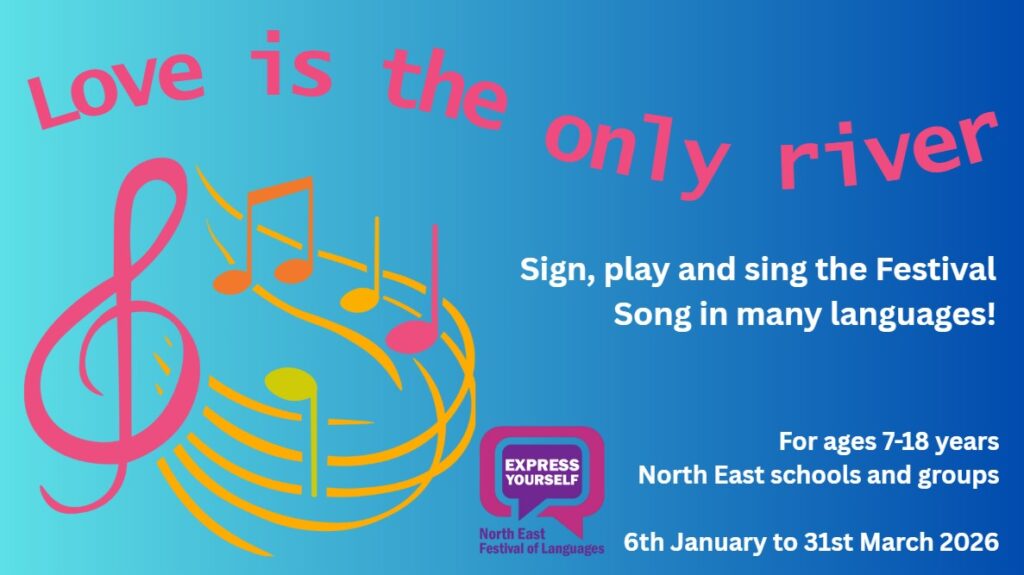
North East schools and groups (ages 7-18) are invited to sign, sign, play, perform and film different language versions of the song: ‘Love is the only river’. Compilation video of performances will be shared.
Together we fly! World Friendship origami project 6th January to 31st March

North East schools, community schools, schools internationally (ages 5-18). Children and young people will create colourful origami butterflies with messages of friendship and be part of our public art exhibition.
Mother Tongue Other Tongue poetic writing project 6th January to 31st March 2025
Children and young people (ages 7-18) in NE schools/community schools are invited to share poems in their home language or write an original piece of poetry in a language they are learning. Compilation in a digital anthology.
Language Calligrams Celebration and workshop activity 6th January to 31st March
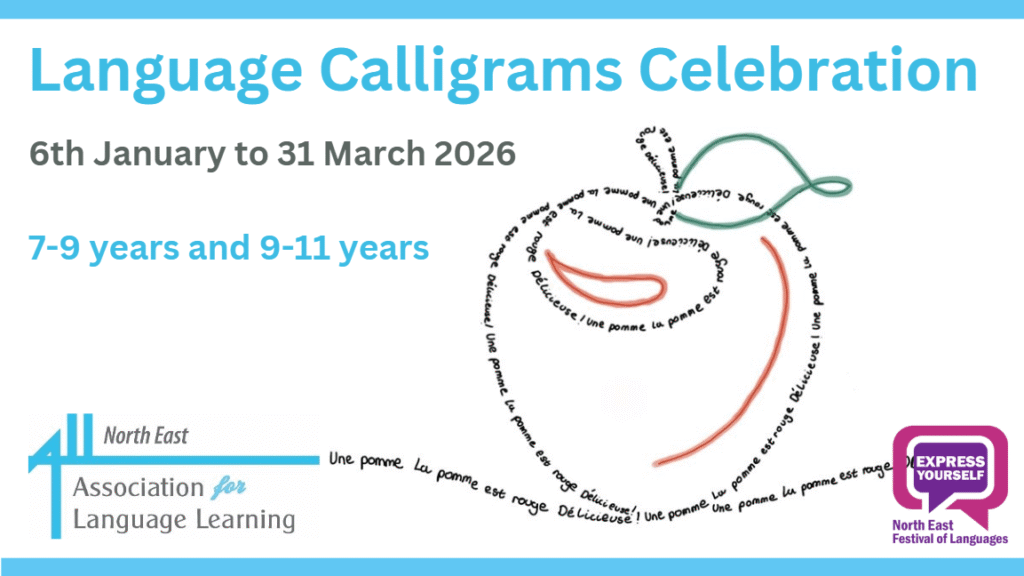
NE schools (7-9 and 9-11 year olds): Create calligrams in any language (other than English) based on words children already know. School certificates for all and ebook with selected entries.
World Recipe Book: exploring food and cultural heritage 6th Jan to 31st March
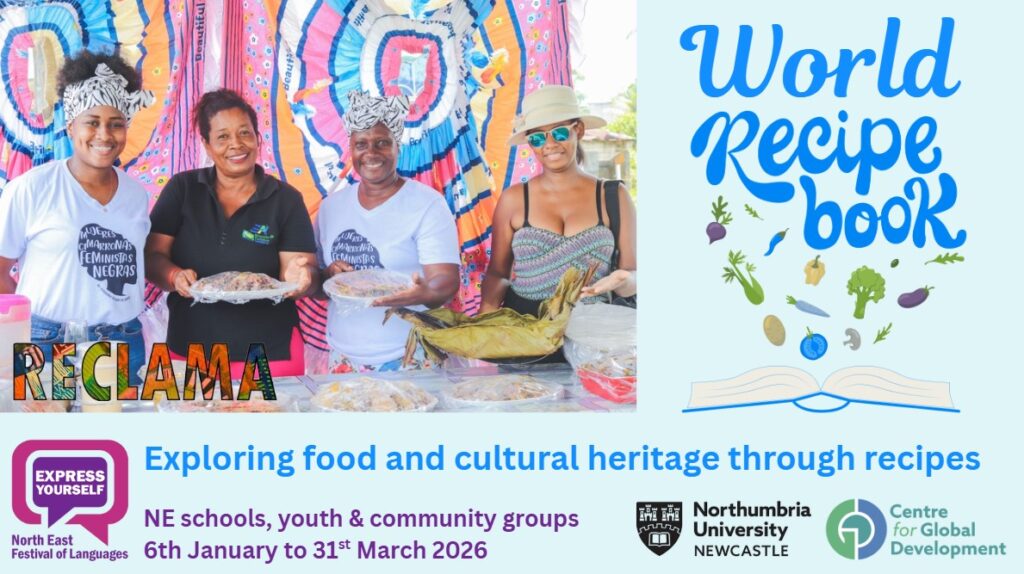
NE schools, youth and community groups: Share recipes in languages (other than English) and why these are important to different cultures. Digital recipe book will include selected entries.
Language Student Immersion at Durham University (KS5) Flexible dates 12th January to 6th March
For North East KS5 language learners: Half-day programmes for 2 pupils per visit, who will meet language students and do task-based activities in languages they study or take at degree level.
Language and culture sessions (Careers with Languages option) Flexible dates Feb-March
For NE KS2-KS5 pupils (7-18): 30-45 min online or 2-hour in-person sessions (with an option for a Careers with Languages session) at Newcastle University Language Resource Centre
Primary school games & stories at the Multilingual Library Flexible bookings in March
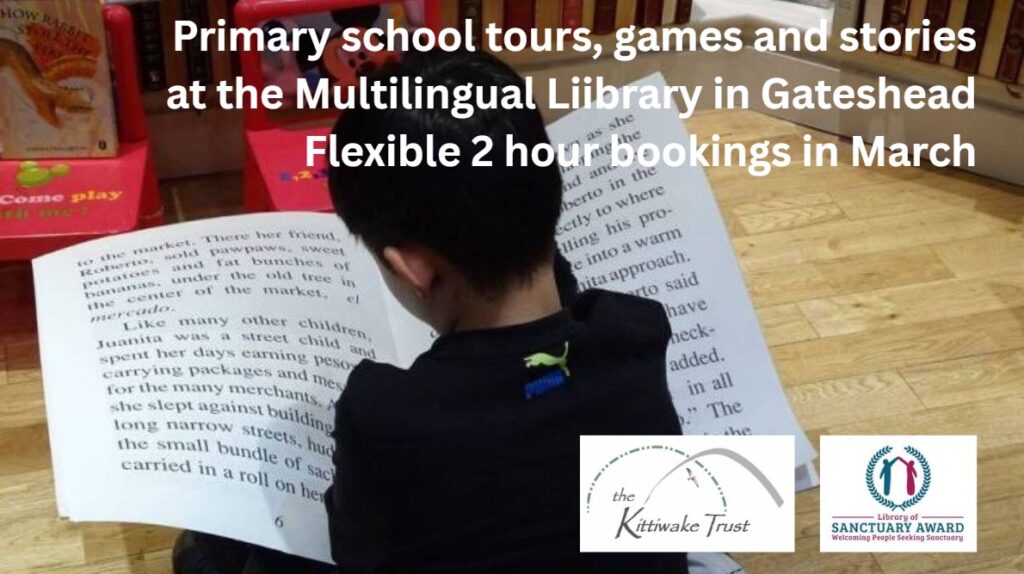
For North East primary schools: Children will enjoy a library tour, games, quizzes and stories using our many books and celebrate diverse cultures and languages around the world.
Creative multilingualism (KS4) 12.30-3pm on 19th March at Newcastle University
For NE schools Year 10-11 pupils: Interactive workshop for pupils using languages they speak (to whatever level) to gain confidence in expressing multilingualism creatively, with translation, creative writing and language-learning.
Multilingual Poetry Slam (KS3-5) 9.30am-3pm on 27th March at Newcastle Civic Centre

NE schools (KS3-5): Join Michaël Vidon and his team of Spoken Word Artists to experience a day of multilingual poetry. Pupils will create and perform group poems in multiple languages.
Ursa Lingua’s Castle Quest Escape Room Adventure Available 6 Jan-31 Mar

For KS2 7-11 years, UK schools: Help polar bear, Ursa Lingua, escape the castle using the power of languages and the magic of teamwork! An exciting language adventure with interactive resources.
Multilingual Me: Exploring and celebrating languages in pupils’ lives (KS2) 6 Jan-31 March
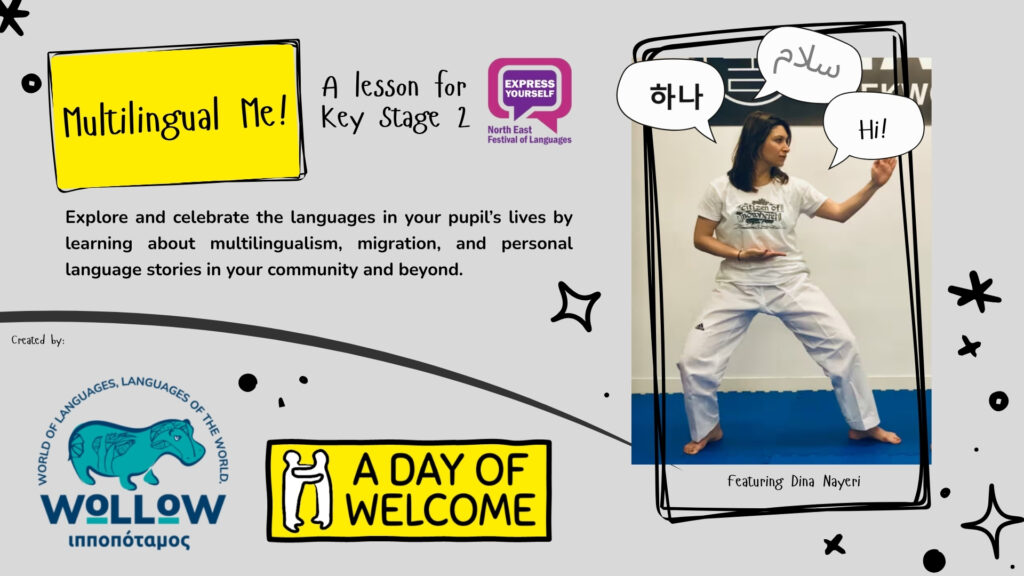
For UK primary schools (KS2): Lesson and materials to help pupils’ explore languages, celebrate linguistic diversity and learn about multilingualism and migration in the context of their classroom and community.
UK competitions, celebrations and resources
Anthea Bell Prize for Young Translators (deadline 27 Mar)
UK schools register to access creative translation teaching resources in French, German, Italian, Mandarin, Russian and Spanish. Competition tasks released 2 Feb, deadline 27 Mar.
Celebrate Speaking! UK schools 1st-28th February 2025
UK schools: Practice and celebrate a language your students learn or use in their community and take part in the virtual festival of speaking in by sharing performances online.
ENACT Around the World Club packs
UK and worldwide schools can set up their own Around the World Clubs with free resources, Children and young people can learn about different languages and cultures, while doing hands-on activities.
Around the World Education Packs from British Council
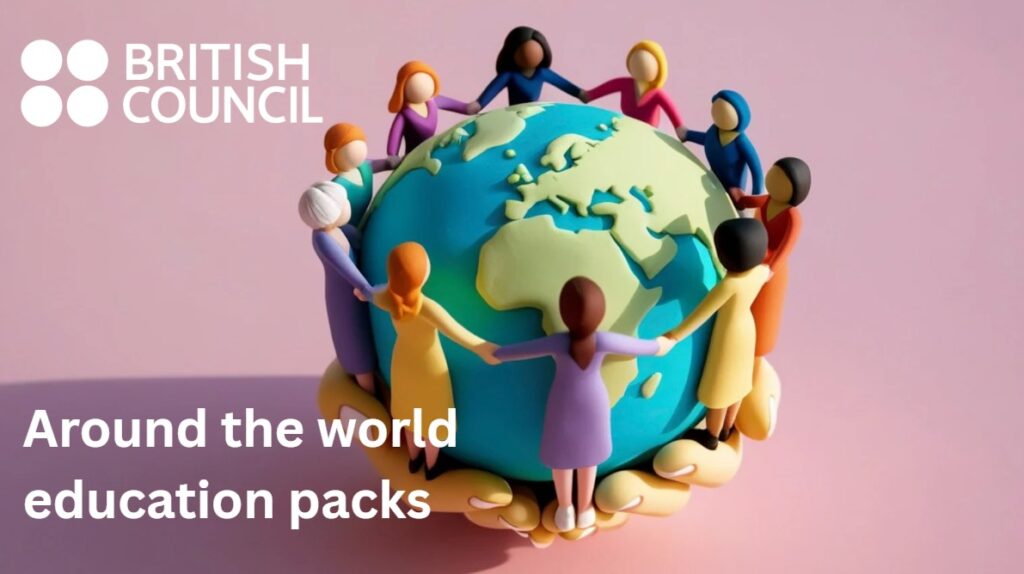
Explore a selection of British Council’s Education Packs with specially designed lessons and resources for schools linked to different countries and cultures across the world.
British Council languages support for schools
Access a wide range of language resources designed to help introduce and support language learning and teaching, as well as support for international links and the International School Award.
Multilingual Verses Entries open with various deadlines to 2027

UK schools: Share your children’s multilingual texts, verses and nursery rhymes and encourage family involvement and intergenerational learning. Entries and resources are shared.
Resources and support for Chinese Language Learning in the North East and UK

The Confucius Institute at Newcastle University is a partnership between Newcastle University and Xiamen University of China. The Newcastle Confucius Institute has two primary aims:
- to promote the study of Chinese language from primary school through to university level
- to promote the understanding of Chinese culture and contemporary China
- Find out more about the Confucius Institute at Newcastle University
- Click here to download the Confucius Institute Schools flyer, which has information about their offer to infant, primary and secondary students, offering engaging and culturally immersive experiences both during and after school. These include Chinese language classes during school hours, after school Chinese clubs, cultural workshops and courses and cultural events. There is also information about the wider offer to communities and individuals in the region.
- #confuciusinstituteatnewcastleuni #chineselanguage&culture
The Mandarin Excellence Programme (MEP) is a unique intensive language programme that started in 2016. The programme offers funding and support for secondary schools in England. It helps school pupils in England learn Mandarin Chinese through classroom teaching, self-study, intensive study and immersive cultural experiences. It is delivered by the IOE, UCL’s Faculty of Education and Society on behalf of the Department for Education (DfE) and in partnership with the British Council.