How languages changed my life:
Languages are an expression of who we are and how we experience the world around us. Languages have definitely changed my life by opening up opportunities to connect with people and places in truly inspiring ways.
I am from Brazil and have been warmly welcomed by the Northeast of England in 2017 when I moved to Newcastle. My native language is Portuguese and I also speak English, French and Spanish.
Learning English as a child and growing up with a lot of interest in understanding people’s experiences and knowledges in different places, I started my higher education in International Relations as an undergraduate back in Brazil. My studies at the time motivated me to focus humanitarian and development work as well as learning French and Spanish.
Exploring the world ‘out there’
My first international experience happened just after finishing my undergraduate degree when I was selected by Fundación Carolina to take part in their programme ‘Young Ibero-American leaders’ during which I met colleagues from all Latin America, as well as Spain and Portugal. As a group, it was such a joy when we all realised we could exchange in Portuguese, Spanish and/or the unofficial ‘portuñol’ which is a proof that communication is possible between and beyond (!) grammar rules of any language.
Speaking different languages was a key asset that allowed me to later pursue a Master’s in Humanitarian Action in Belgium. During this time, whilst navigating assignments and examinations in both English and French (as well as eating really good chocolate!) I was able to connect with friends from all over the world and deepen my interest in humanitarian work.
Back to Brazil, I worked as advisor for humanitarian diplomacy at the Brazilian Ministry of Foreign Affairs and implemented local youth engagement volunteering projects. A few years later, a PhD scholarship brought me a new exciting opportunity to cross the Atlantic, this time to live in Newcastle and join a multicultural and welcoming team at Northumbria University’s Centre for International Development.
Não há saber mais ou saber menos: há saberes diferentes
There is no knowing more or knowing less: there is different knowledge
Paulo Freire, Brazilian educator
This quote speaks truth to power. Personally, I have been privileged to learn so much from so many people in different places in my home country and around the globe.
Working in Newcastle, connecting to the world
Since arriving to Newcastle, I have started conducting research about humanitarian and development systems and livelihood strategies, particularly in relation to the experiences of local volunteers. I have worked in different contexts, particularly in Burundi, in East Africa, where I conducted my PhD research.
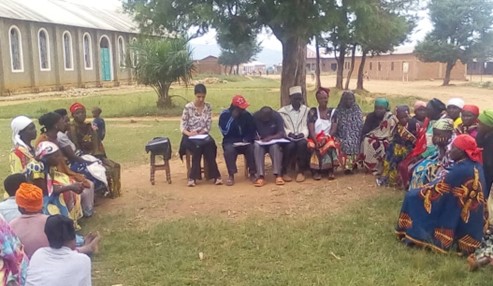
Spending time with local volunteers in Burundi was a life-changing experience and taught me a lot about togetherness, resilience and hope. It also allowed me to start learning a little bit of Kirundi, a beautiful Bantu language widely spoken in the country.
More recently, I have also worked with an international team to explore volunteering experiences among youth refugees in Uganda, and the relationships between volunteering, employability, skills development and livelihoods. Once again, the importance of languages and communication is clear in the context of displacement as refugee communities rebuild their lives in a different country.
To conclude, I strongly believe in the power of languages to promote interpersonal relationships, allowing us all to learn from each other’s trajectories and biographies, and to collectively understand how we can promote change in our own communities and beyond.
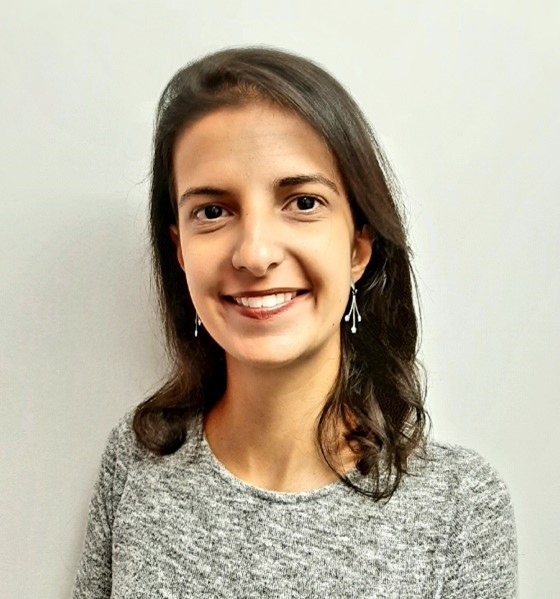
Bianca Fadel (she/her)
- Postdoctoral Research Fellow in the Centre for International Development at Northumbria University
- Travel lover and sunshine seeker, more about me here